VTOL package-delivery UAV
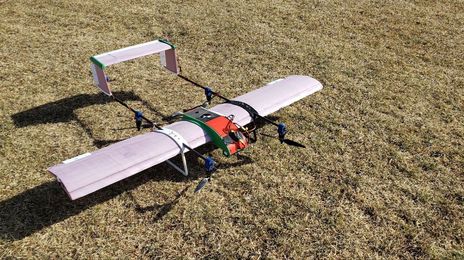
For my Major Qualifying Project at WPI (2019–2020), I was one of four engineers designing a vertical-takeoff-and-landing aircraft for package delivery. Working within constraints set by our professors, we competed against two other teams to maximize payload delivered, flight time, and the number of flight legs that could be automated. You can read the full project report.
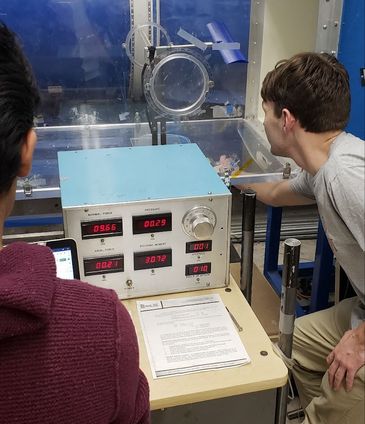
Wind-tunnel testing
After analyzing candidate airfoils, our team 3D printed the selected section and validated it in WPI's wind tunnel.
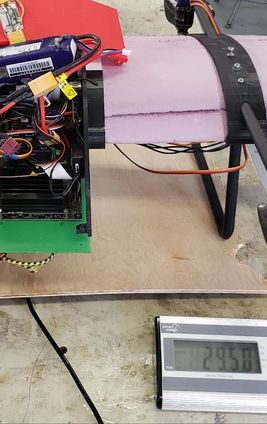
Recovering static stability
Our 3D-printed structure came in heavier than predicted, which shifted the center of gravity and left the aircraft statically unstable. Working against a hard 3 kg weight limit, I proposed and analyzed the design changes that restored a positive stability margin.
Project Savegull In progress
Inspired by seagulls, Savegull is a long-range surveillance UAV designed to help ocean lifeguards patrol unguarded stretches of beach. After speaking with the Town of East Hampton's chief lifeguard and building a business case, I've been working through design decisions for the airfoil, the control system, and the camera payload.
The business case
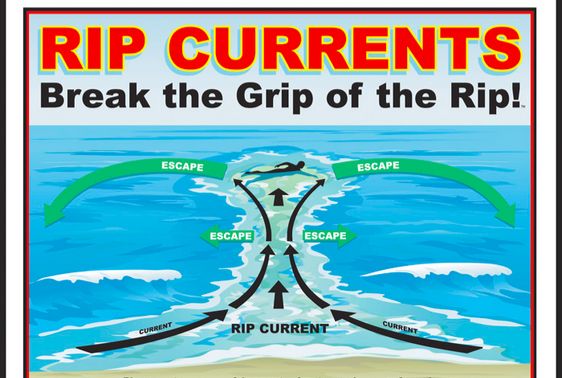
Rip currents are one of the biggest dangers on ocean beaches. A UAV patrolling the coast can spot swimmers in trouble in unguarded areas and buy rescuers valuable minutes to make a save.
Mass trade study
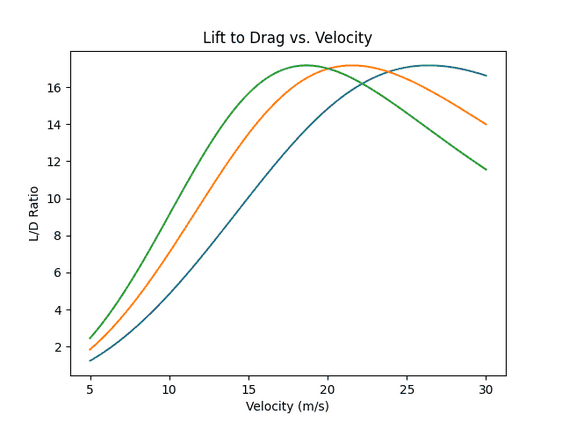
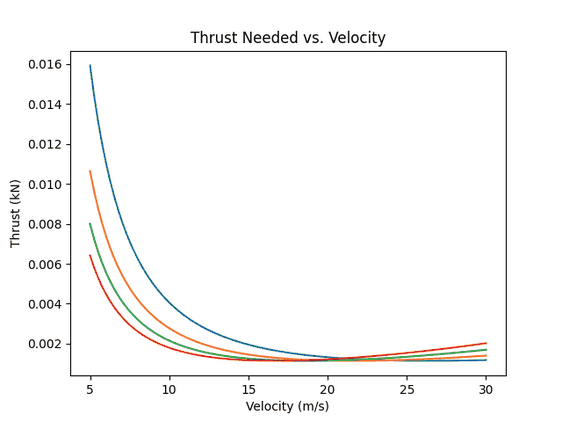
I varied the aircraft's mass to see how it shifts the airspeed for maximum lift-to-drag ratio and the thrust required to fly there. The curves were generated with my own Python design tool.
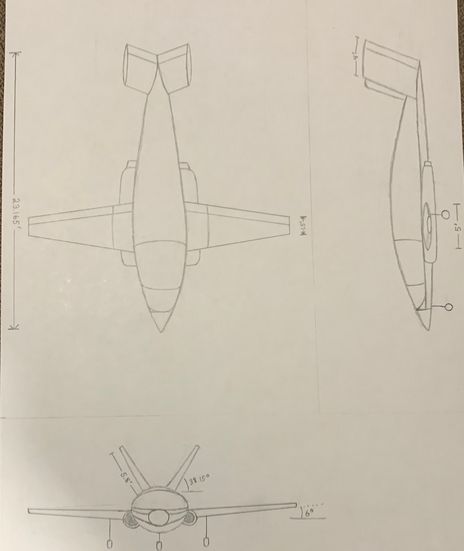
Jet aircraft trainer
A design project for a WPI aircraft design course. With a colleague, I ran a literature review and trade studies, assessed flight characteristics, and helped determine the trainer's static stability. Read our report.